
PLASTIC- IN A NUTSHELL
PLASTIC- IN A NUTSHELL
-Montasir Jim
In our everyday lives, we are very much dependent on plastic. Only a few of us know what really plastics are in a chemical world. This piece intends to provide a sneak peek into the world of plastic.
The first synthetic plastics were derived from cellulose, a substance found in plants and trees. Cellulose was heated with chemicals and resulted in a new material that was extremely durable. Plastics are made of natural materials such as cellulose, coal, natural gas, salt and crude oil through a polymerisation or a polycondensation process.

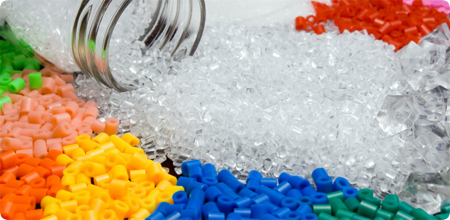
The word ‘plastic’ comes from the Greek word plastikos ,which means that it can be shaped or moulded. Plastics are simply chains of like molecules linked together and these like molecules are known as monomers while these chains are called polymers. This is why many plastics begin with “poly”, such as polyethylene, polystyrene, poly-vinyl chloride and polypropylene. Polymers are often made of carbon and hydrogen and sometimes oxygen, nitrogen, sulfur, chlorine, fluorine, phosphorus or silicon. Plastics can be moulded, extruded, cast and blown into seemingly limitless shapes and films or even drawn into fibers for textiles. Many types of coatings, sealants and glues are actually plastics.
Pure plastics are generally insoluble in water and non-toxic. However, many of the additives in plastics are toxic, and may leach into the environment. Chlorinated plastic can release harmful chemicals into the surrounding soil, which can then seep into groundwater or other surrounding water sources and also the ecosystem of the world. This can cause serious harm to the species that drink the water.
Pure plastics are generally insoluble in water and non-toxic. However, many of the additives in plastics are toxic, and may leach into the environment. Chlorinated plastic can release harmful chemicals into the surrounding soil, which can then seep into groundwater or other surrounding water sources and also the ecosystem of the world. This can cause serious harm to the species that drink the water.
Plastic
affects humans and some toxins in
plastics causes cancers, birth defects, immune system problems, and childhood
developmental issues. Toxic chemicals leach out of plastic and
are found in the blood and tissue of nearly all of us. Exposure to them is
linked to cancers, birth defects, impaired immunity, endocrine disruption and
other ailments. It is estimated that by the year 2050,plastic in the ocean will
outweigh fish and it will dangerously affect on our ecosystem and then Biodiversity.
Many micro orgasms like bacteria ,virus(corona virus can remain 4 hours in
plastic) remain for a long time in plastic.It has been determined that
approximately 100Million marine creatures and sea bird die from plastic entanglement every year.
Plastic pollution has become one of the most pressing issues in this world and has a harmful impact on the ocean and environment. Every year, about 8 million tons of plastic waste escape from coastal nations. Most of the plastic trash in the ocean flows from the land. Once at sea, much of the plastic trash remains in coastal waters. A report by National Geography says,
“Millions of animals are killed by plastic every year, from birds to fish to other marine organisms. Nearly 700 species, including endangered ones, are known to have been affected by plastic and nearly every species of seabird eats plastic.”


PLASTIC- IN A NUTSHELL
![PLASTIC- IN A NUTSHELL]() Reviewed by Biggan Janala
on
April 02, 2020
Rating:
Reviewed by Biggan Janala
on
April 02, 2020
Rating:


wah
ReplyDeleteThank you
Delete